Our Work
Projects as proof of purpose.
Revamp Durham's work is anchored in a simple question: how can more homes fit into Durham in a way that feels generous, beautiful, and connected to the life already here?
Co-Living
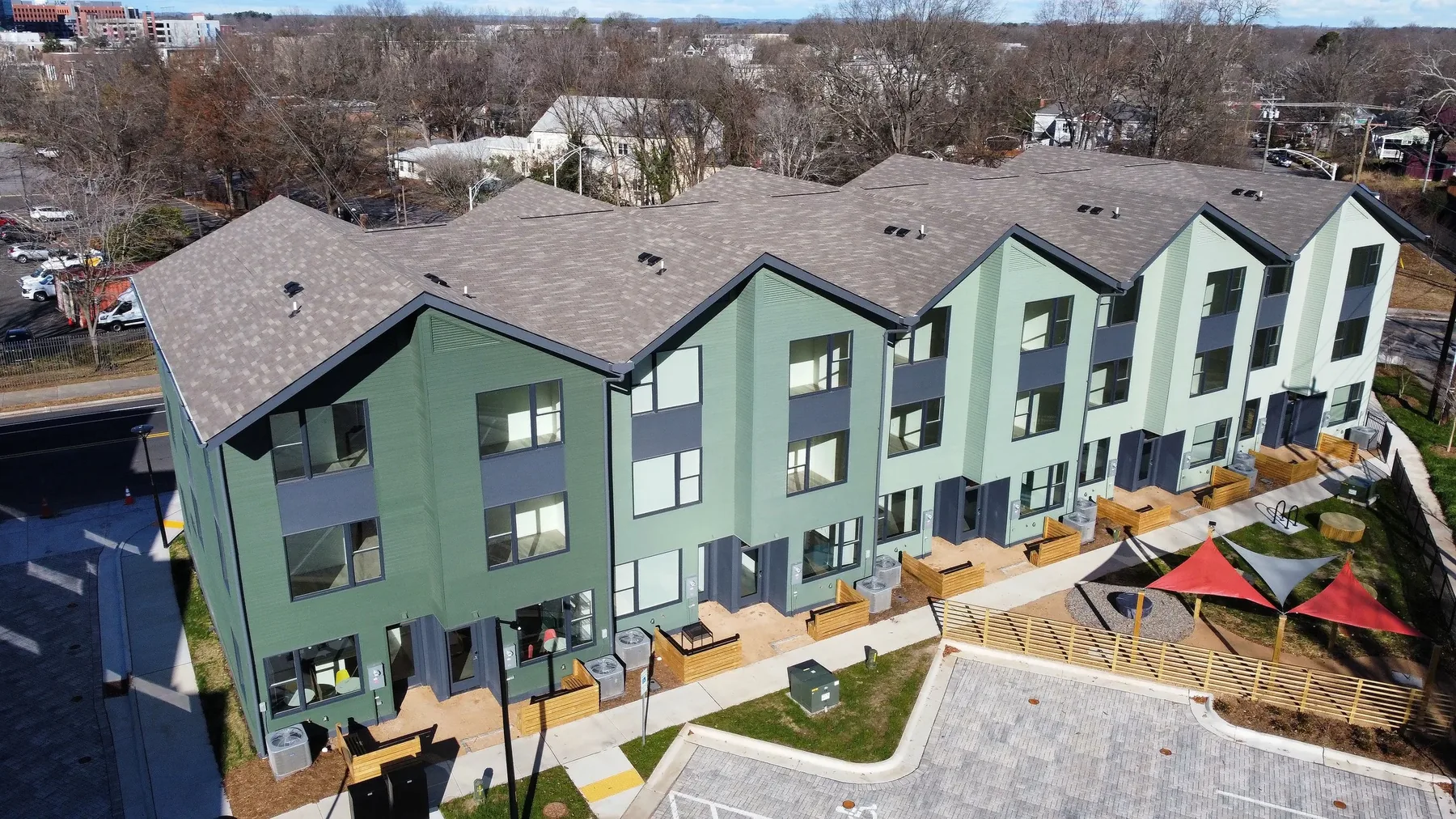
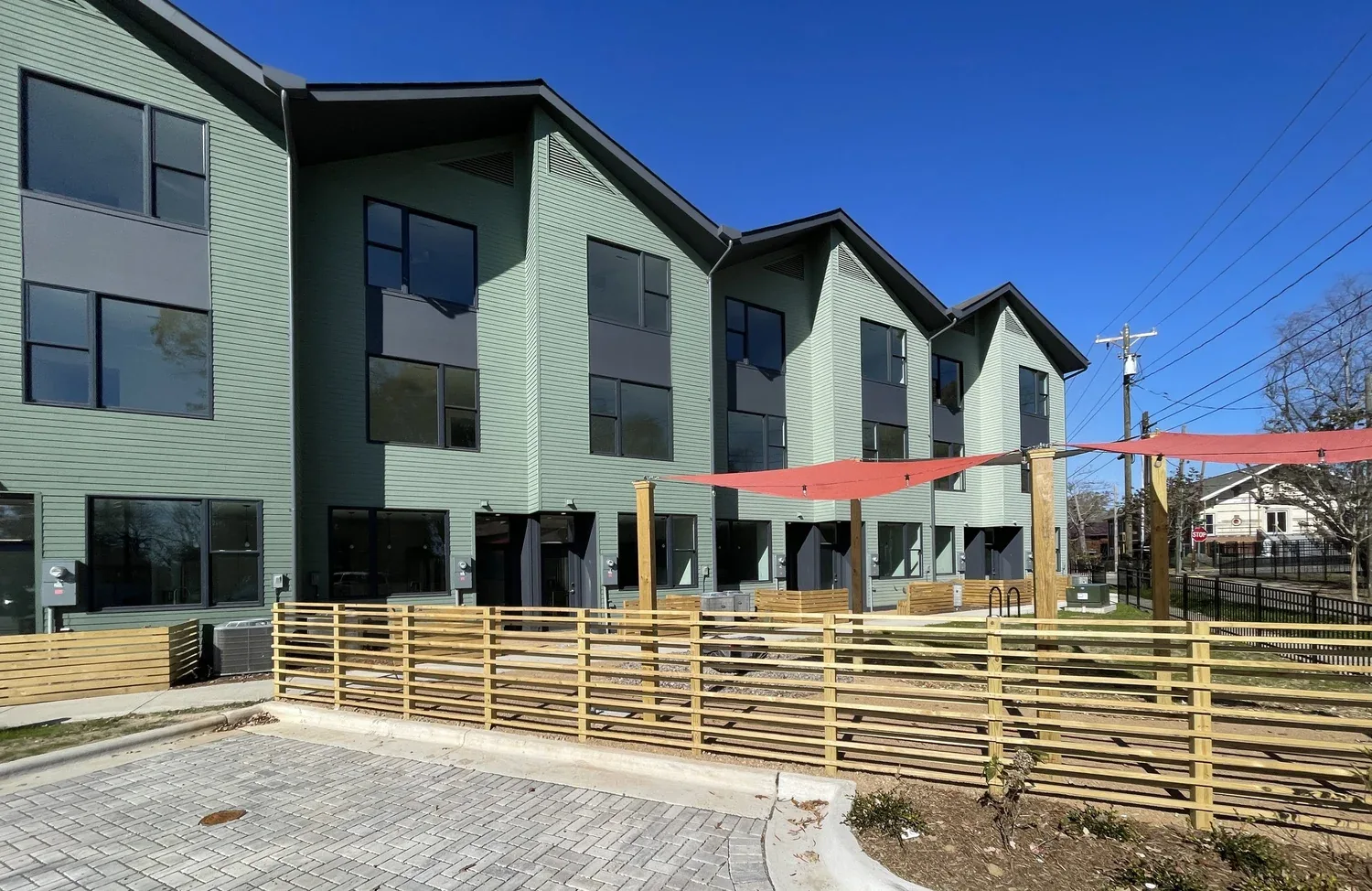
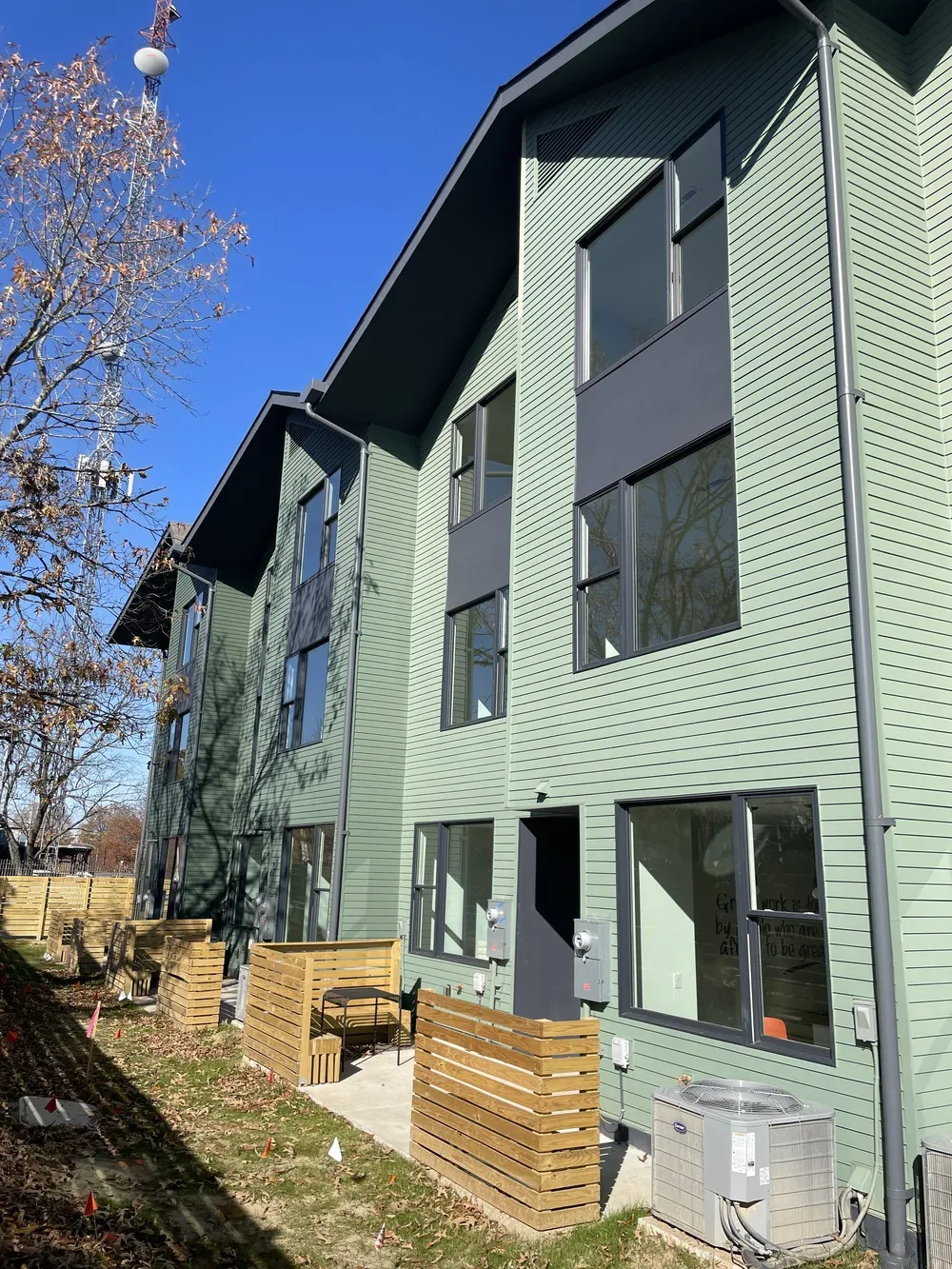
Dillard Co-Living
Co-living is not for everyone, but it can create a real doorway into Durham for people who want community, lower individual cost, and a neighborhood they could not otherwise reach.
Why it matters
Renting a bedroom can make Durham achievable while creating stronger networks of daily connection.
Guiding idea
Affordability by design, not as an afterthought.
Spatial idea
Homes should include the room between doors, porches, walks, and shared edges.
Multi-Family
More homes in the same urban context.
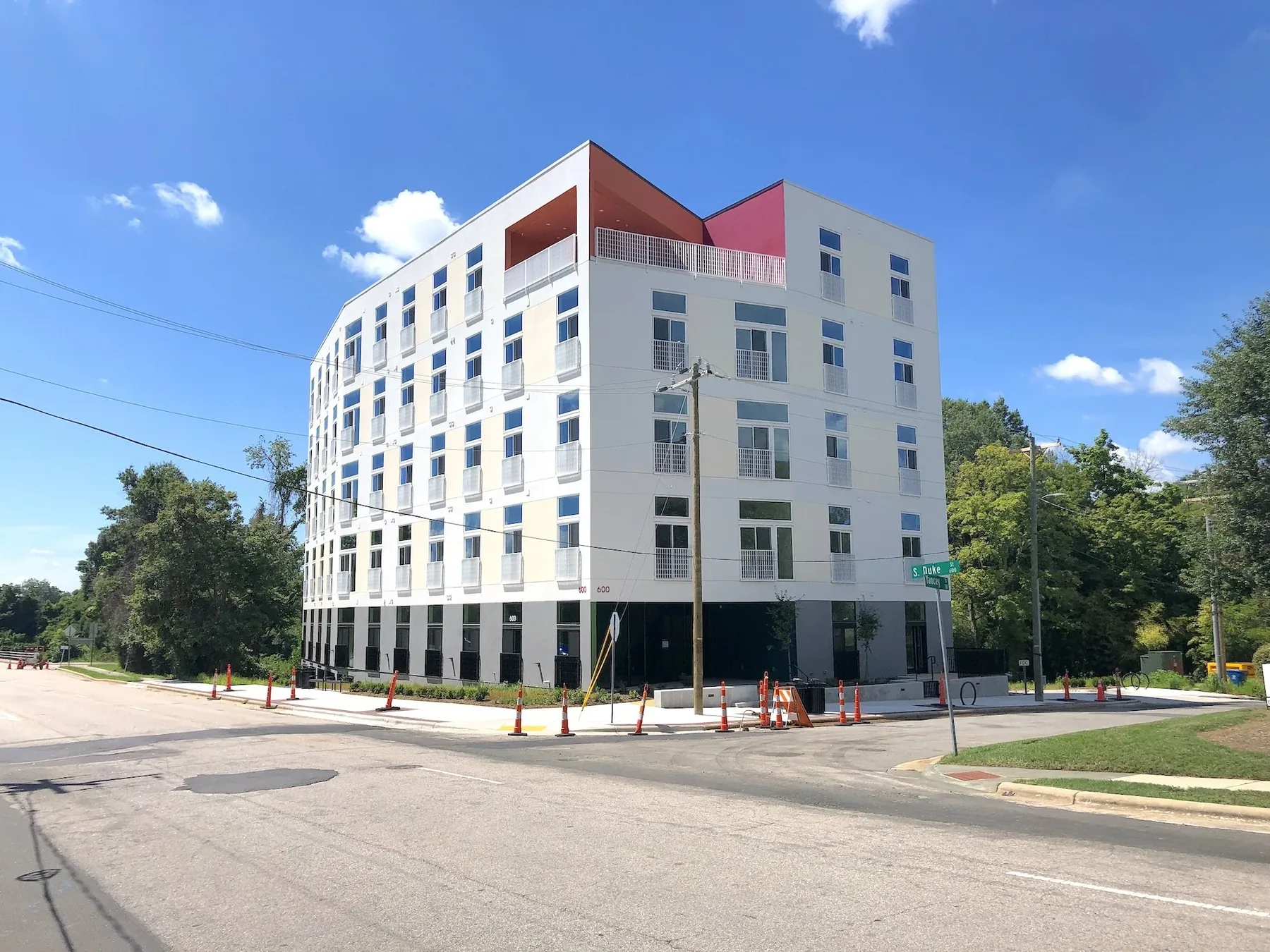
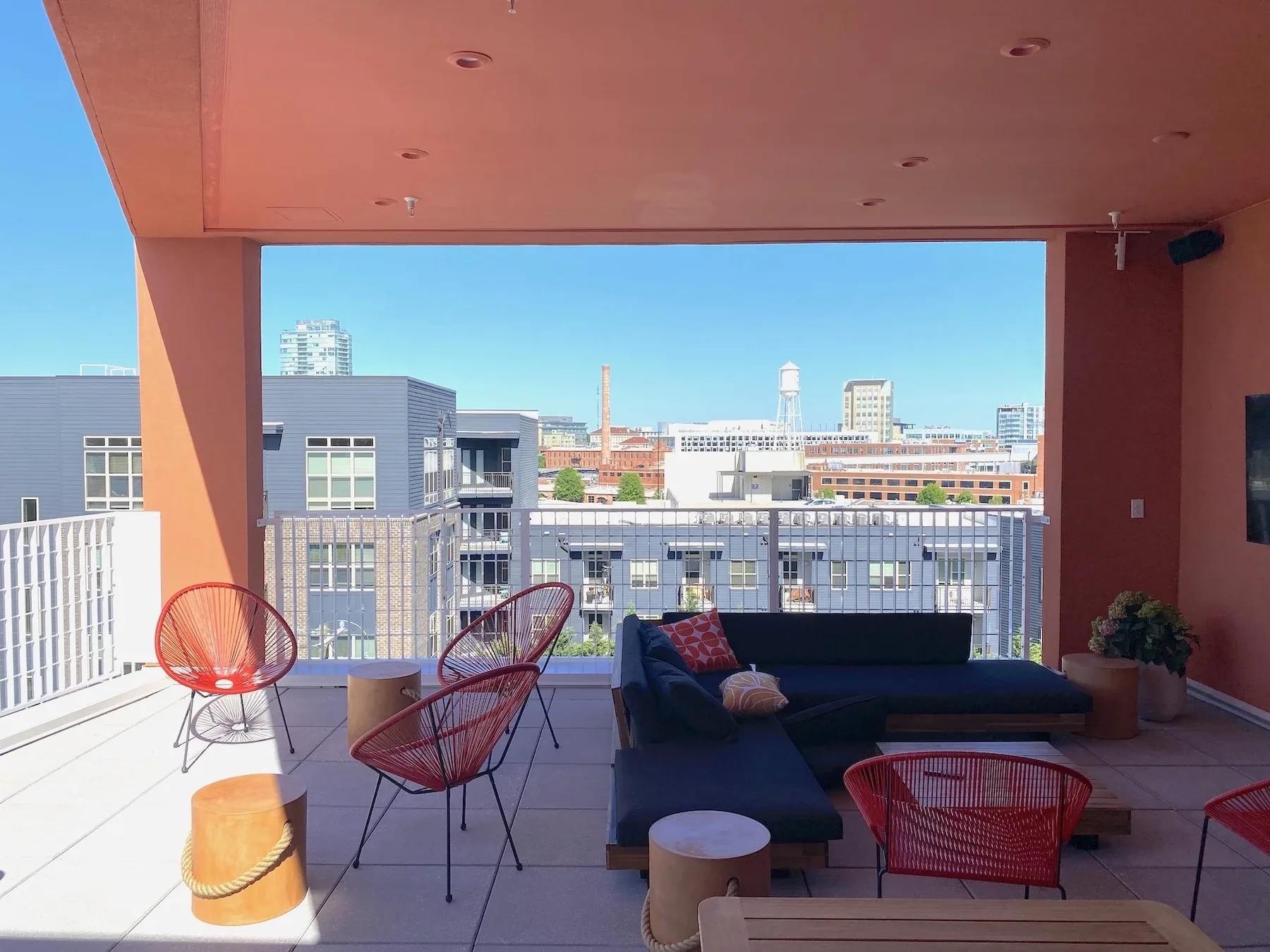
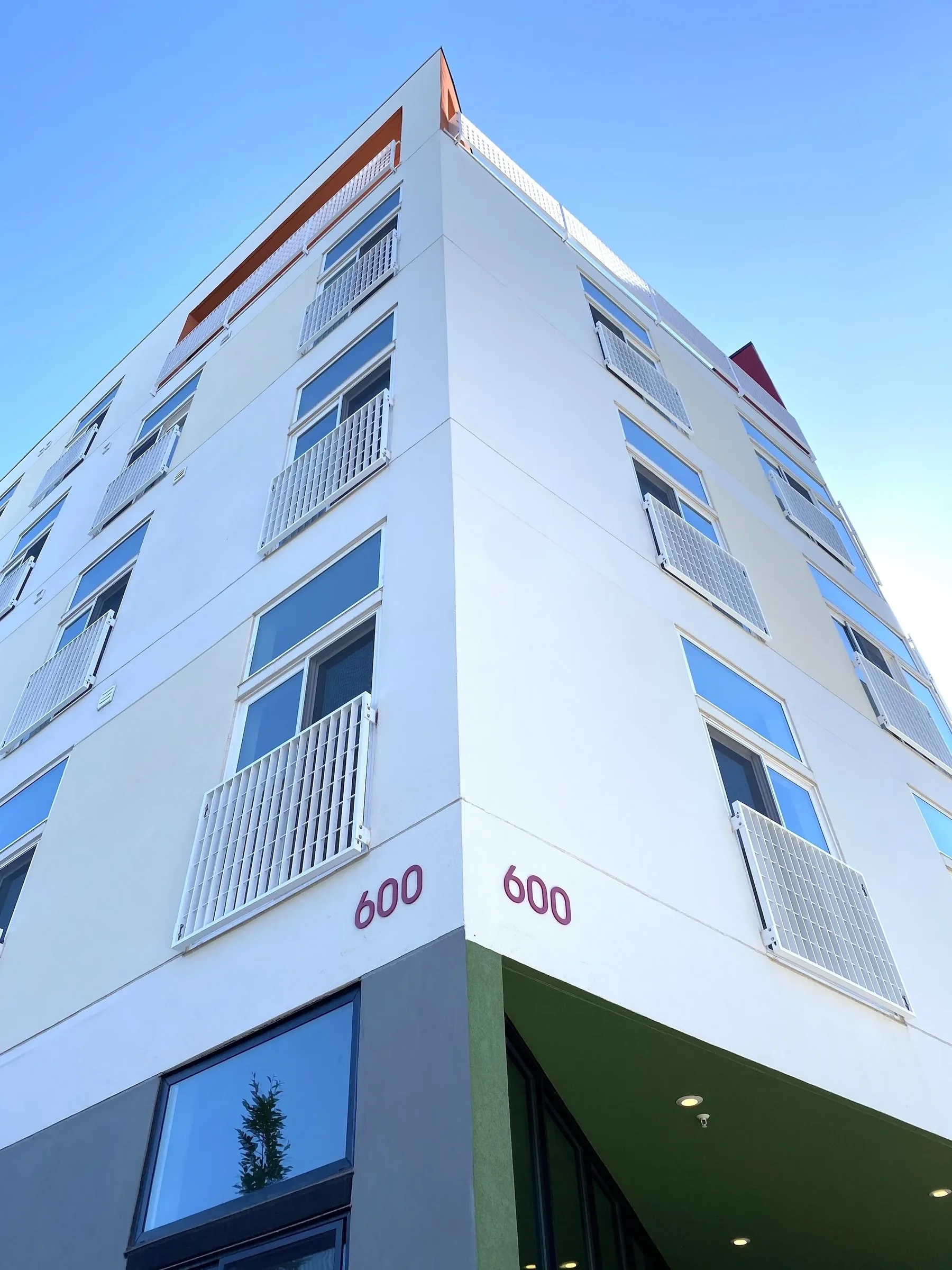
Multi-family projects are where density can become civic value: more people near existing streets, services, and neighborhood life, without pretending that every household needs the same footprint.
CityPort story
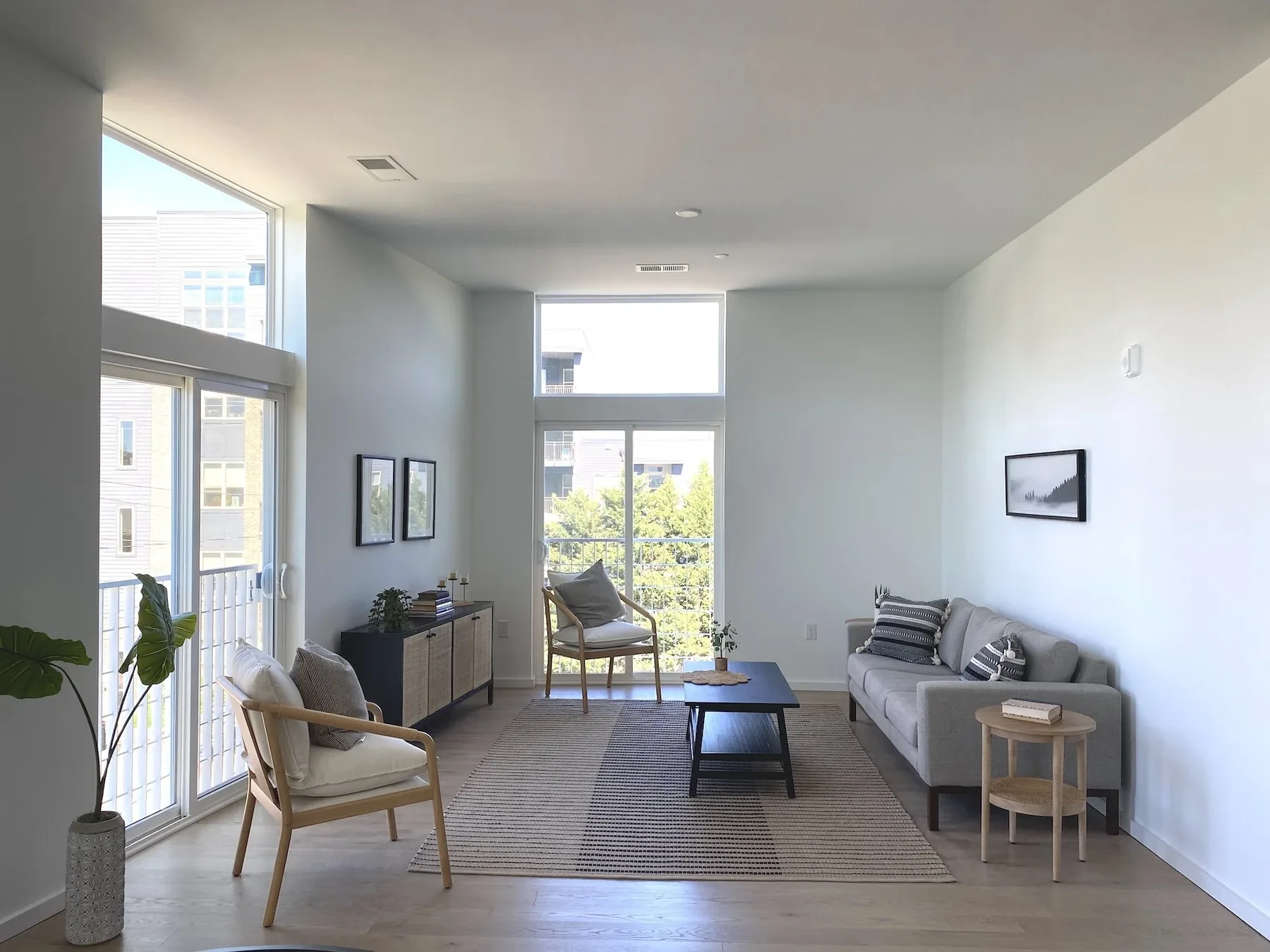
Micro-condos push affordability through size, layout, and location rather than subsidy alone.
Public value
More homes on served land can support the tax base without extending the street network.
Design test
Compact living still needs light, views, shared outdoor space, and dignity.
Townhouses
Missing-middle homes with outdoor life.
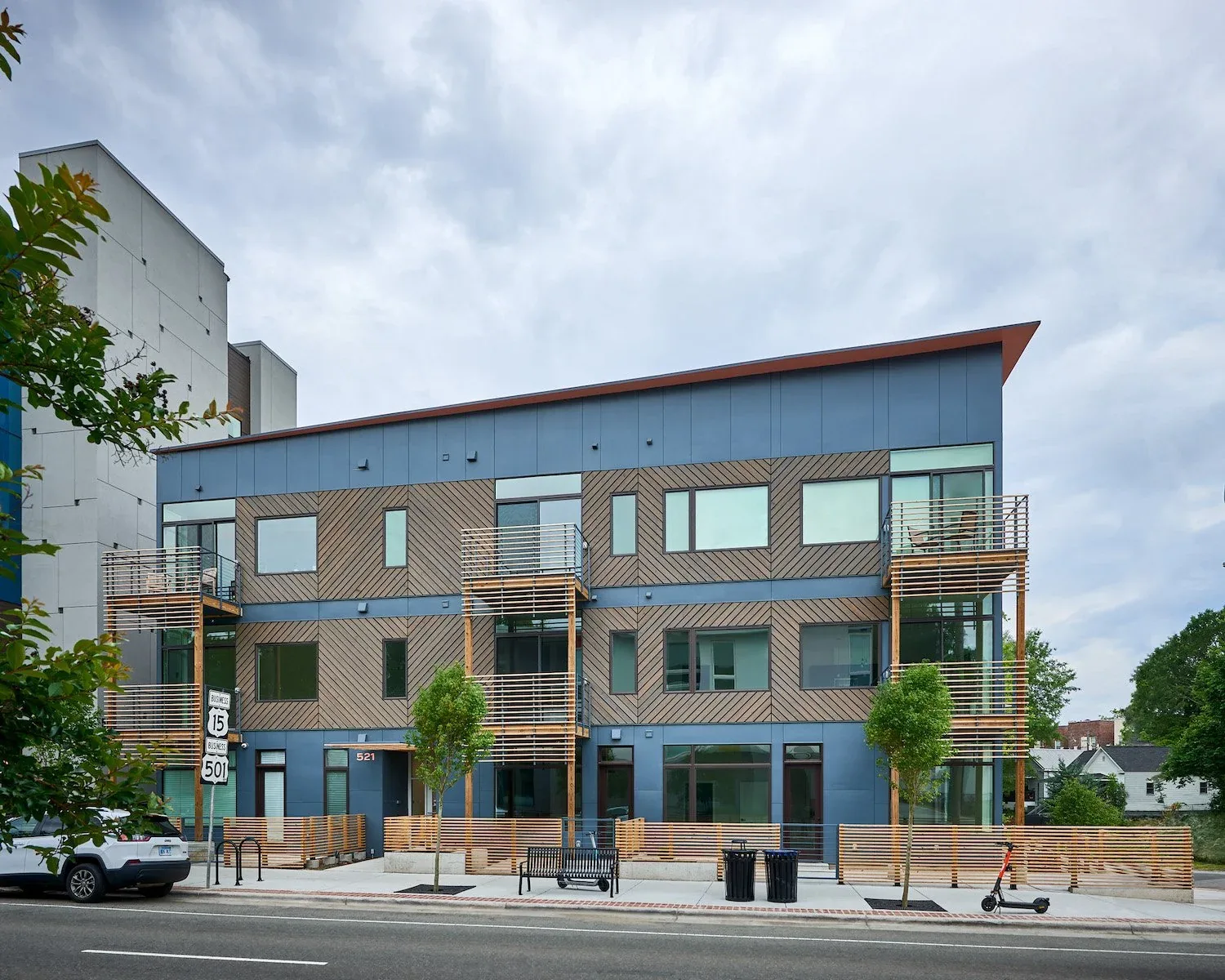
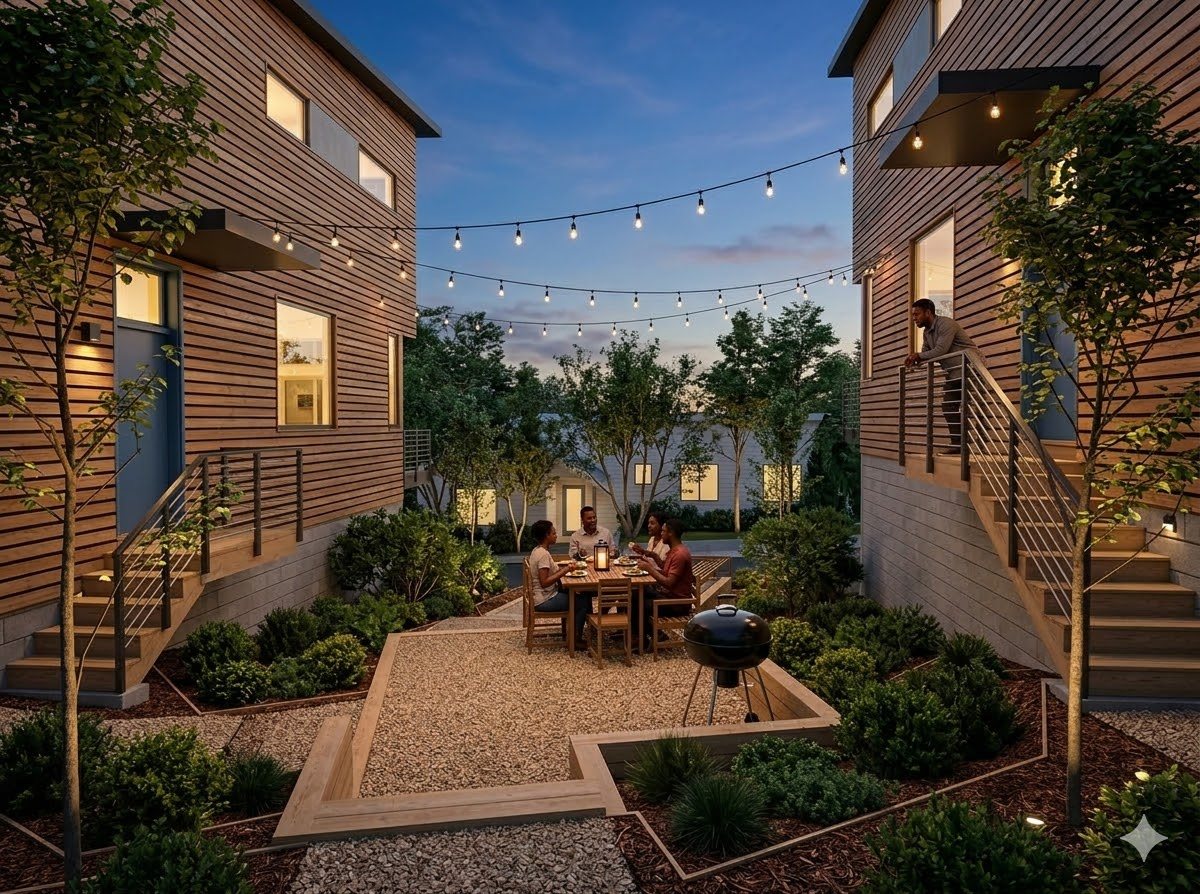
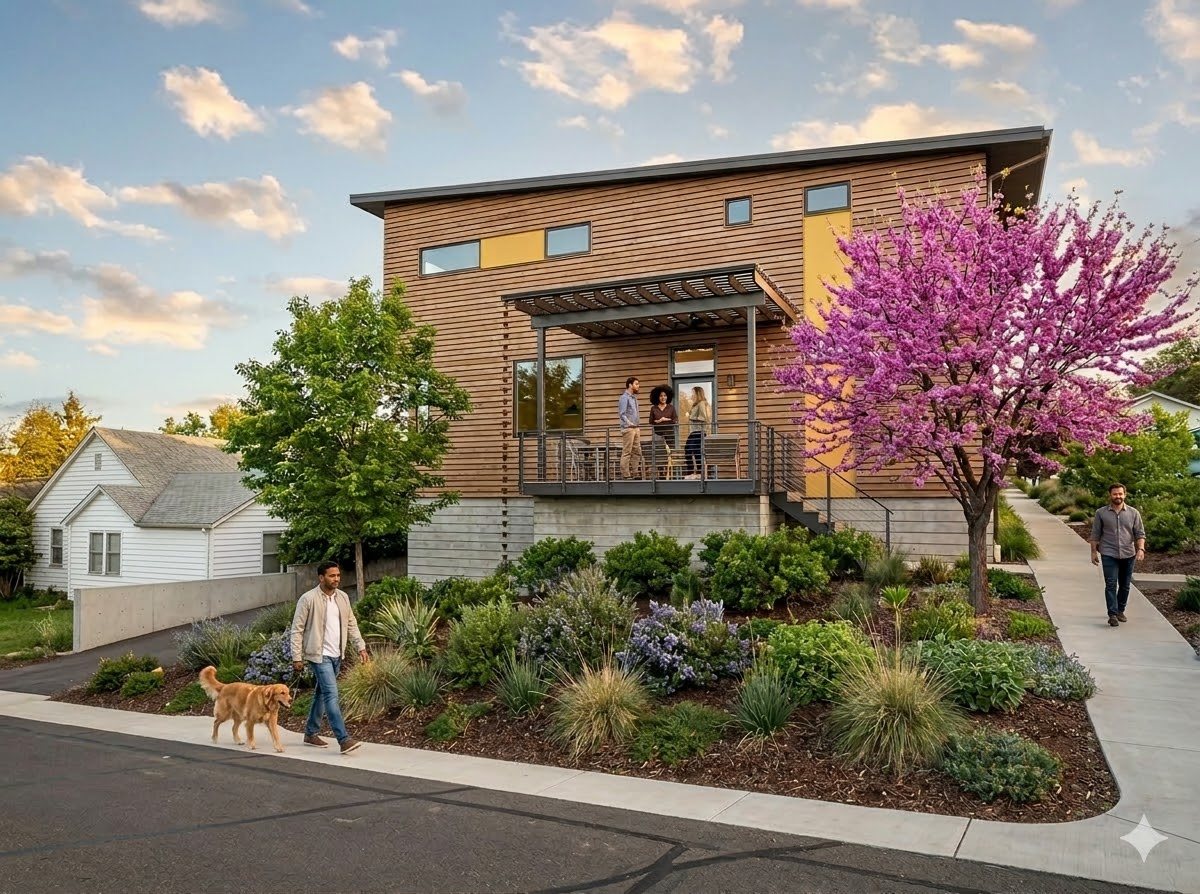
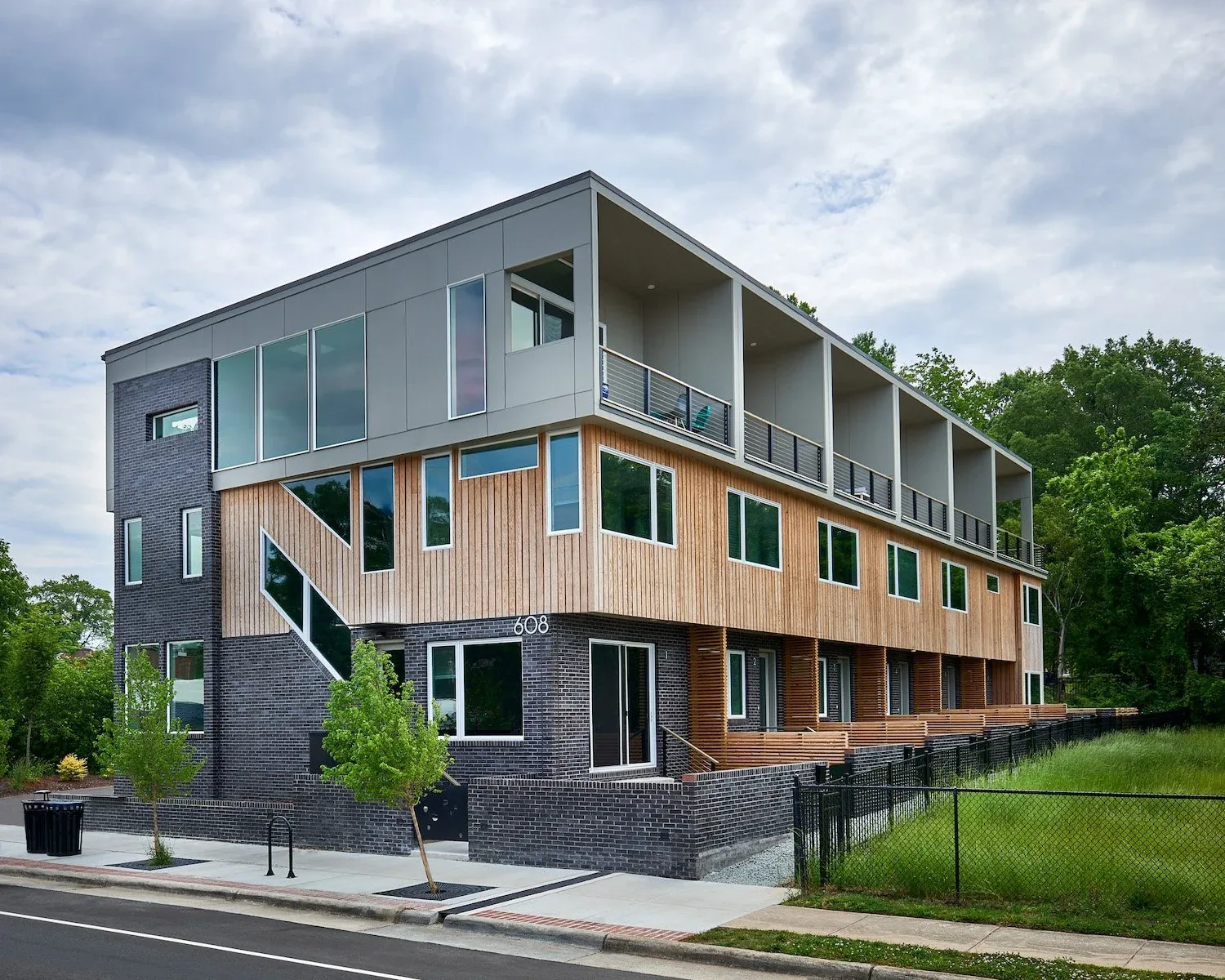
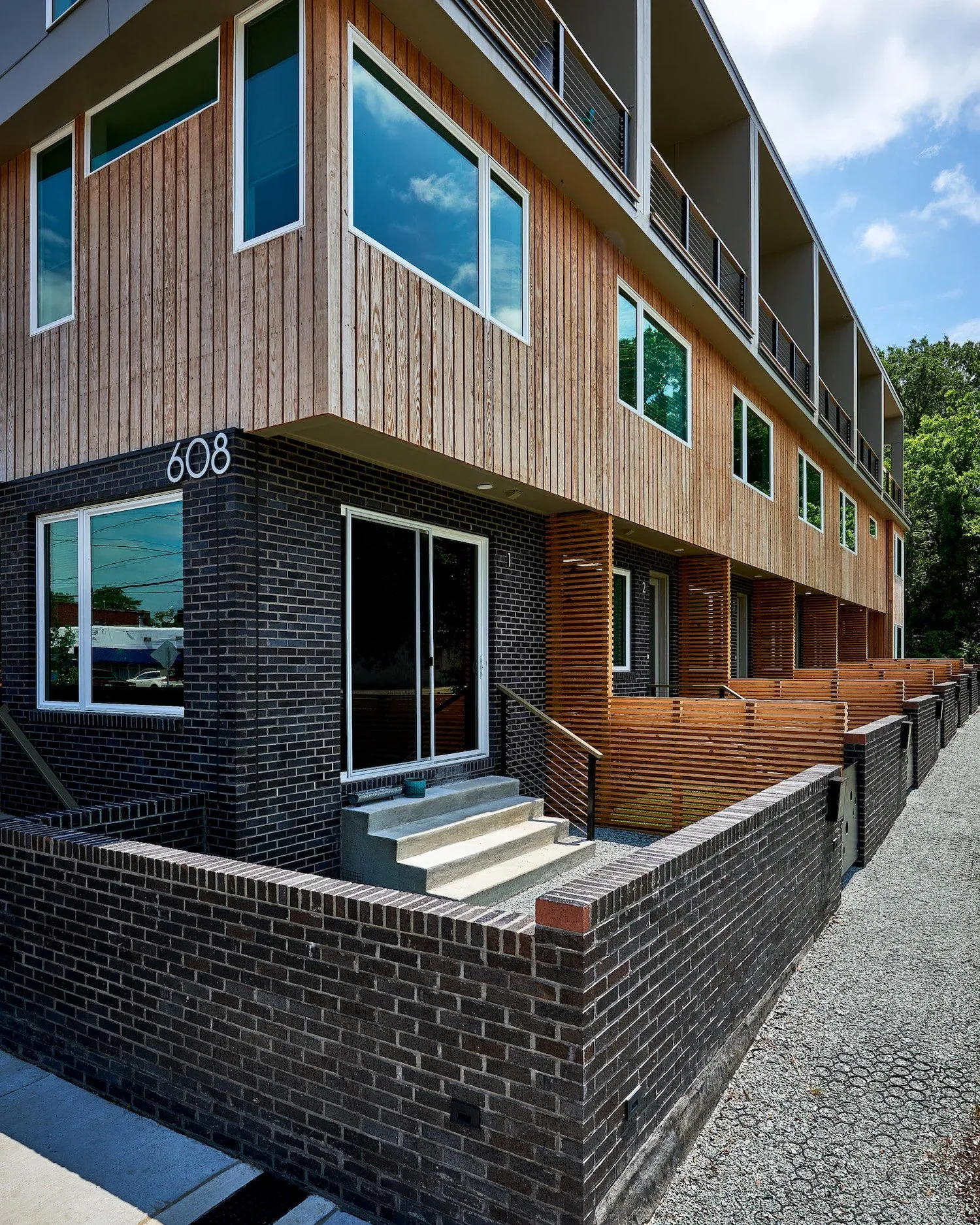
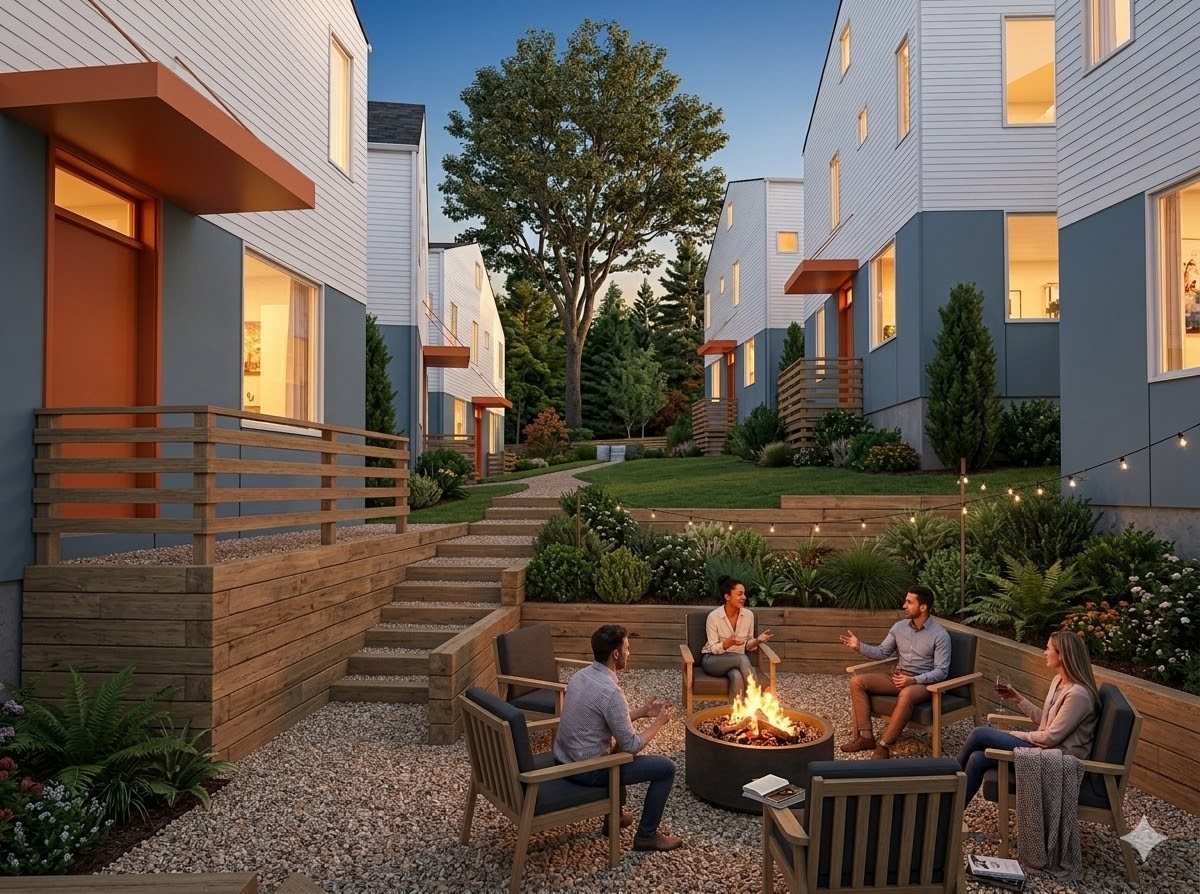
Townhouses can add homes gently, but only if the design earns affection: private entries, layered thresholds, planted edges, and shared courts that help neighbors know each other without forcing it.
Why it matters
Townhouses can add housing choice without turning every infill site into a large apartment building.
Guiding idea
Friendly density: more homes, more care, more daily beauty.
Spatial idea
Public, shared, neighbor, private. Each layer should feel intentional.
Small Lots
Scarcity turned into shared value.
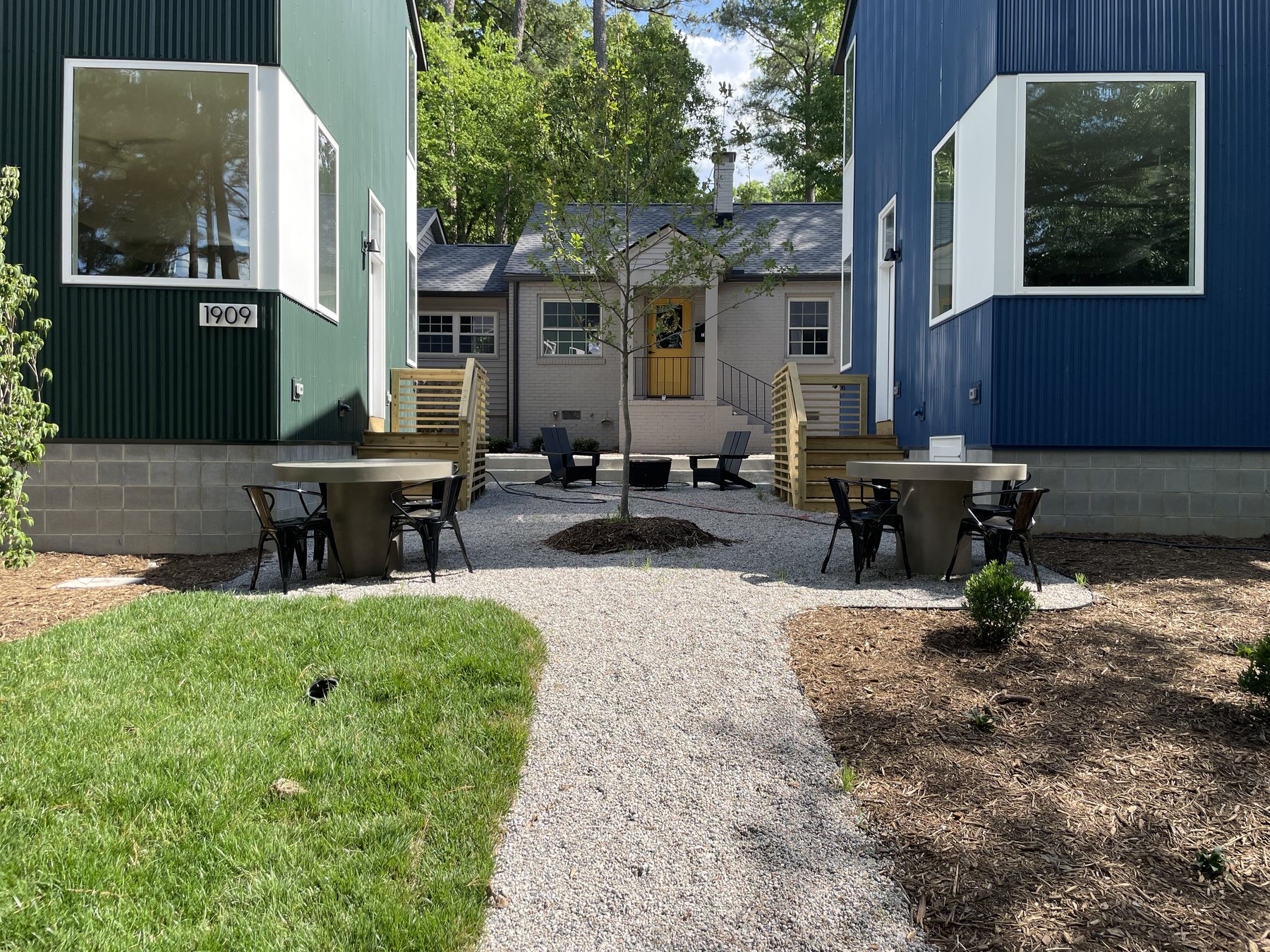
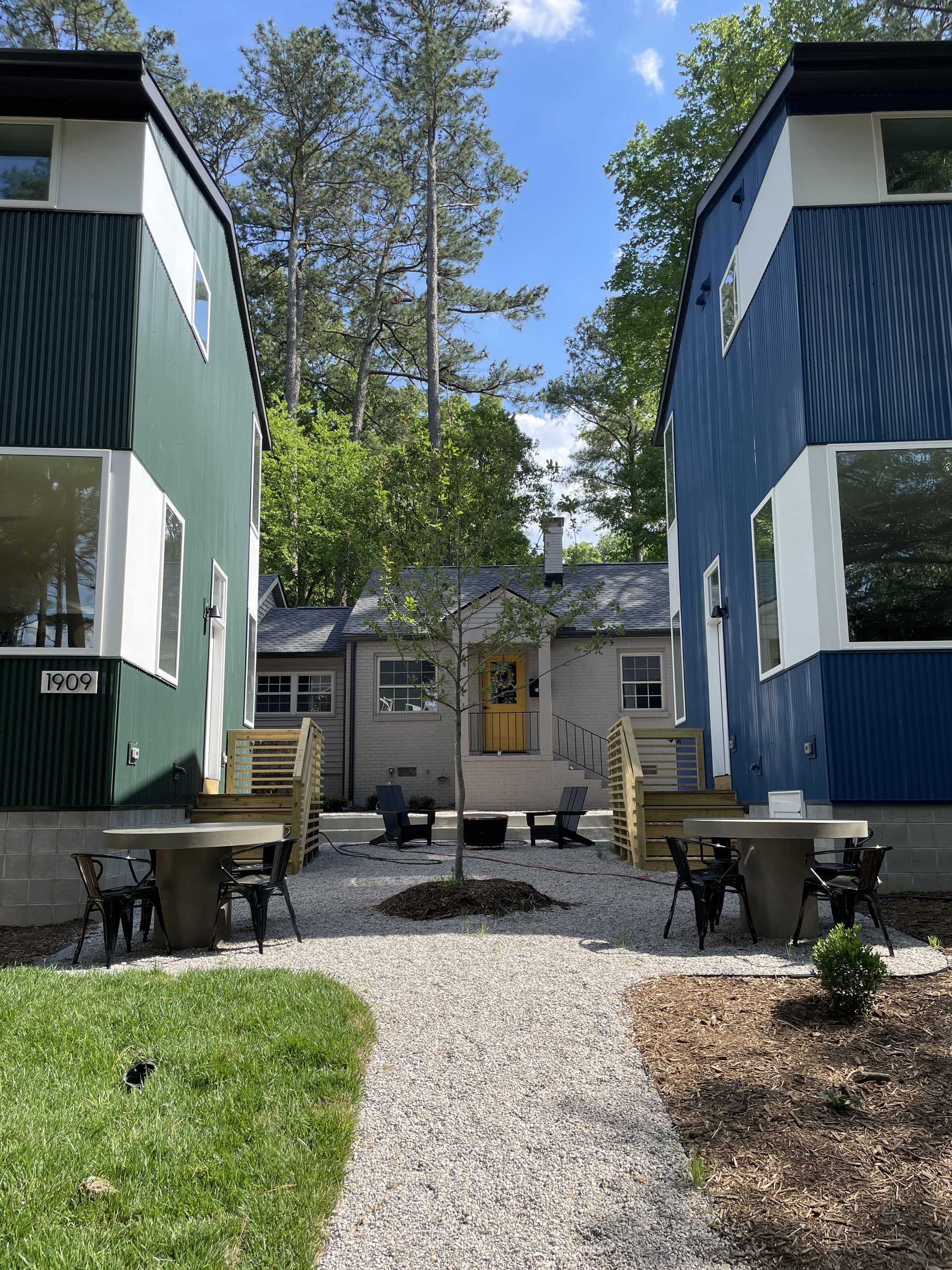
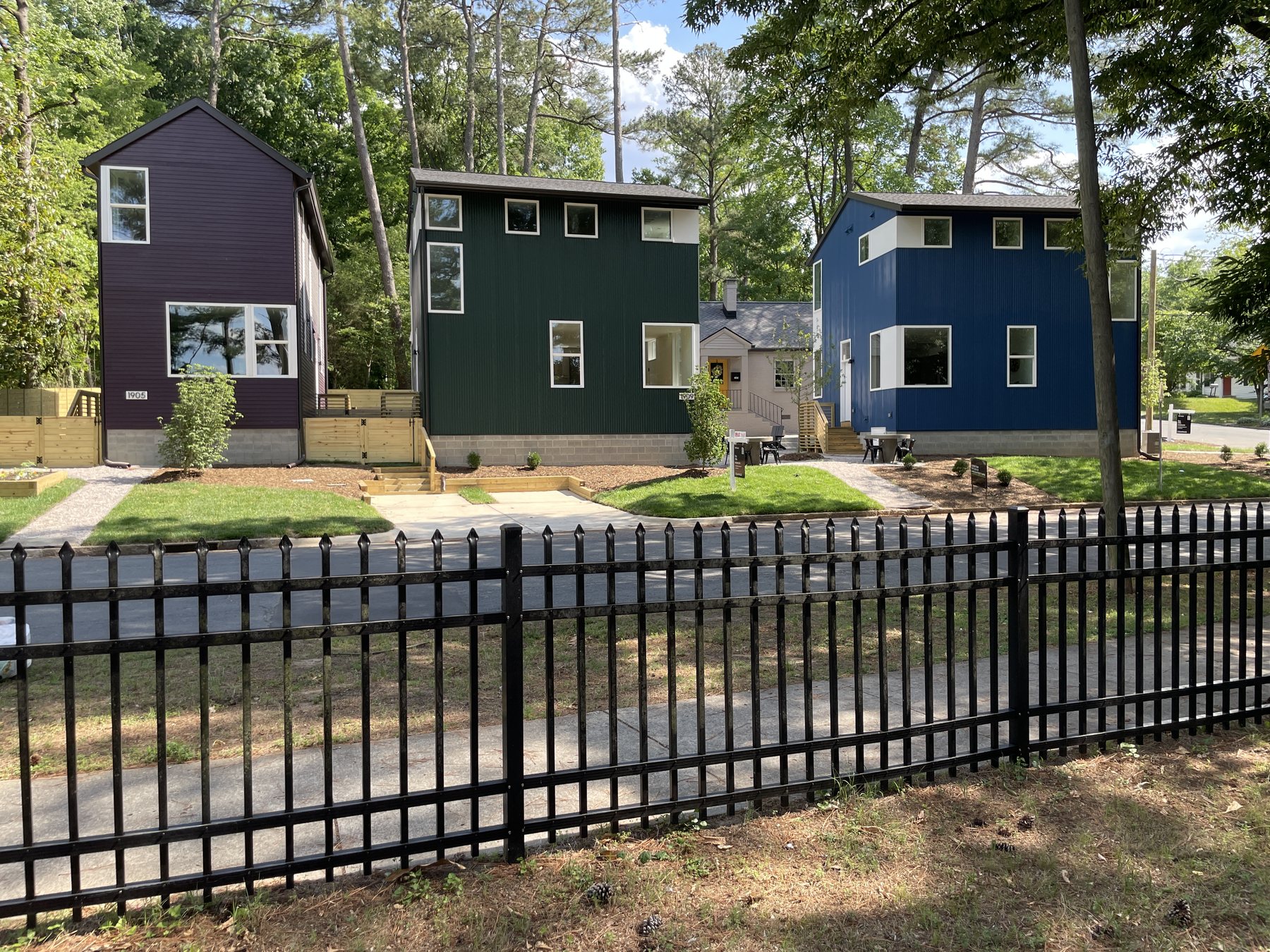
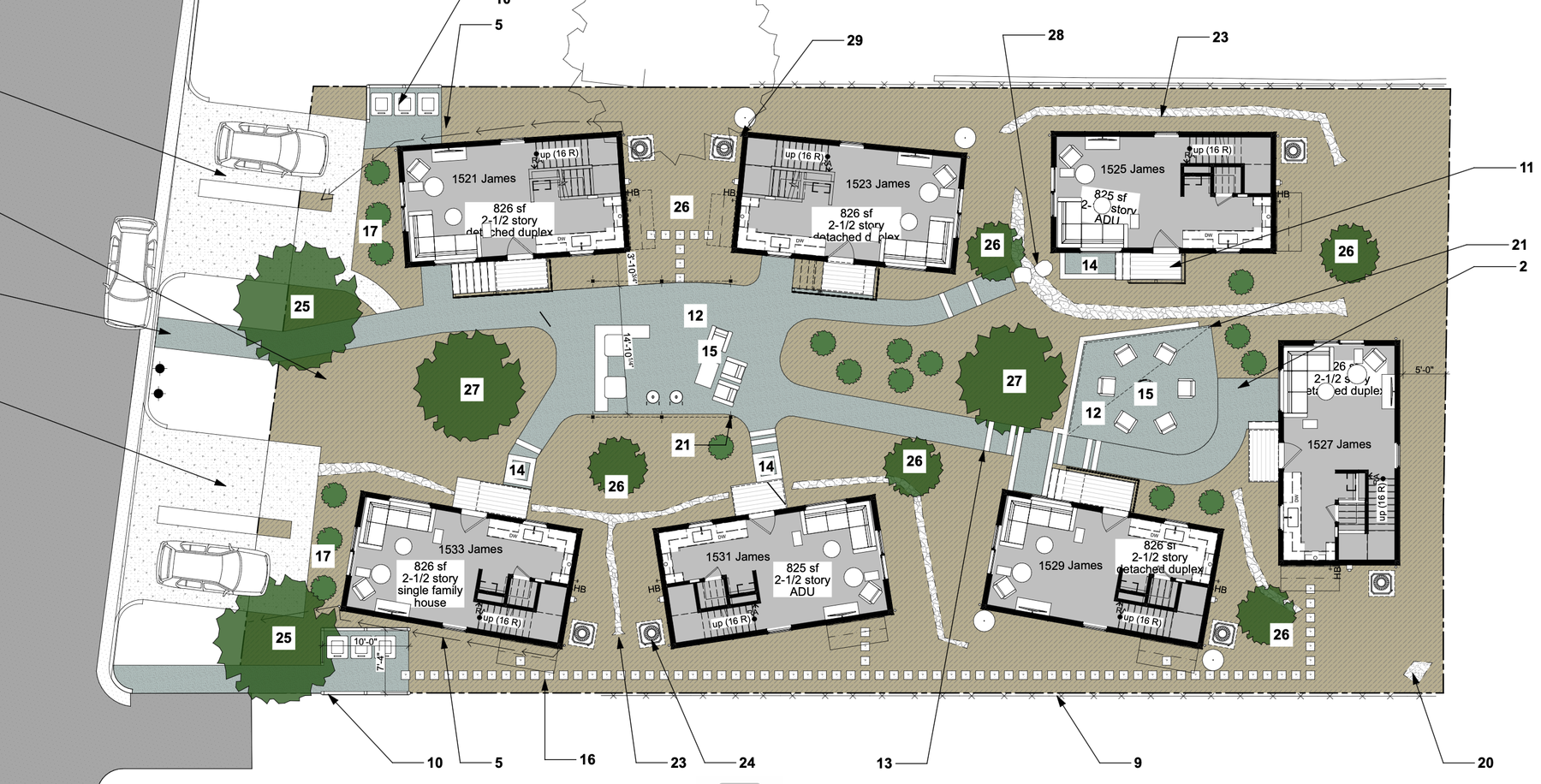
A single urban lot can become one expensive home, or it can become several smaller homes on land already served by infrastructure. The small-lot option is about lower entry prices, more homes, and more public value from the same Durham land.
Household value
Small-lot homes can lower the entry point while keeping people close to the same urban context.
City value
More tax base can come from land already served by streets, pipes, parks, schools, and services.
Neighborhood value
Small lots add homes without extending the street network or abandoning human scale.